Sutton
About the Sutton fire risk assessors we work with
Send an enquiry about your home. There is no charge for asking, and it does not commit you to any work. You will get a clear reply about what happens next.
Book a Fire Risk Assessment in Sutton: Contact Read the guides first
What Suttonfire does
Suttonfire takes enquiries from people who own or manage homes in Sutton and the surrounding areas. If you have noticed something worrying about fire safety in your building, this is where you ask about it.
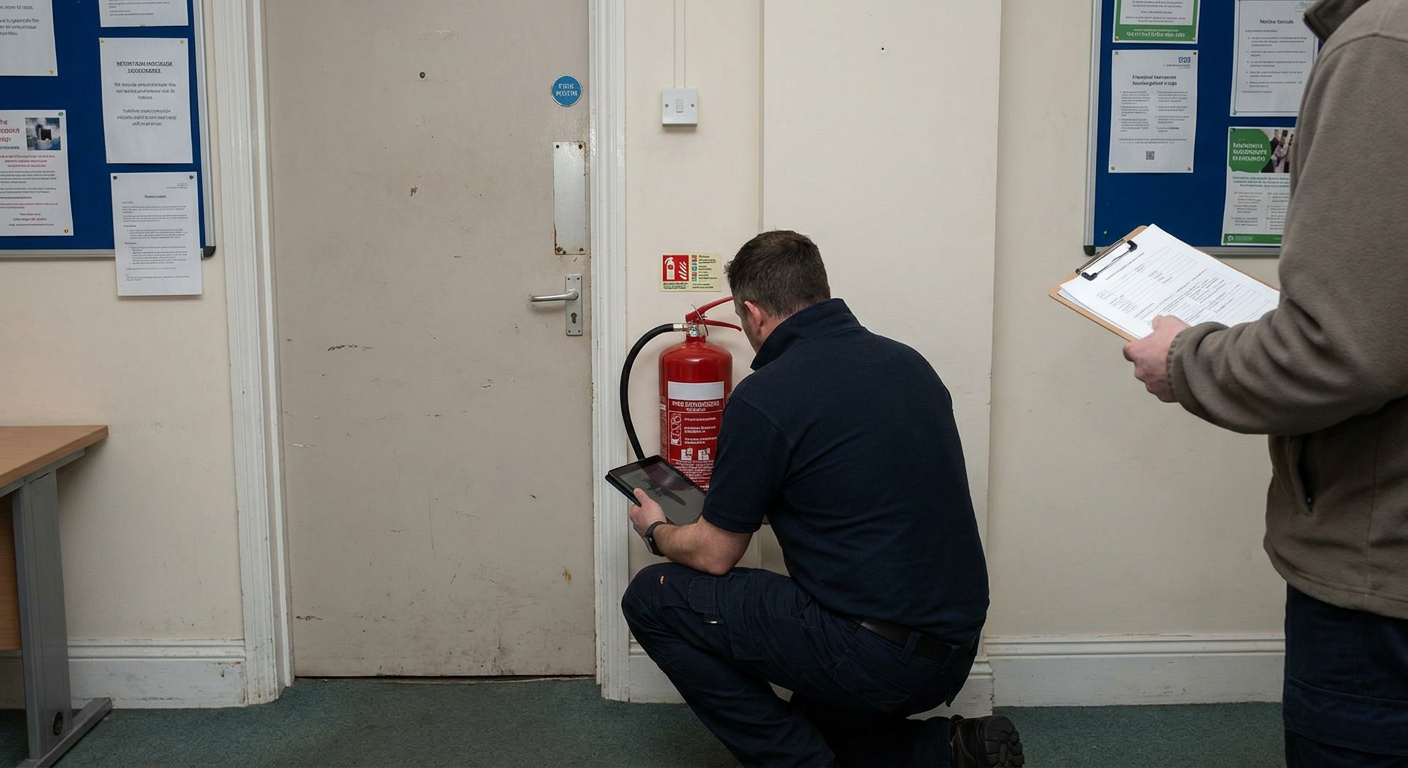
The actual work is done by separate specialist firms. They carry out tasks such as a <a href="/fire-safety/fire-risk-assessment-sutton">fire risk assessment</a>, inspect fire doors, survey compartmentation and write evacuation plans. Suttonfire handles the initial enquiry so you know what to ask for before anyone visits your home.
You might be a landlord with a house in multiple occupation, or someone responsible for a block of flats. The law places specific duties on you, and those duties can be hard to interpret. Reading about <a href="/duties/responsible-person-sutton">who the responsible person is</a> often clarifies whether the obligation falls to you.
Services available for your home
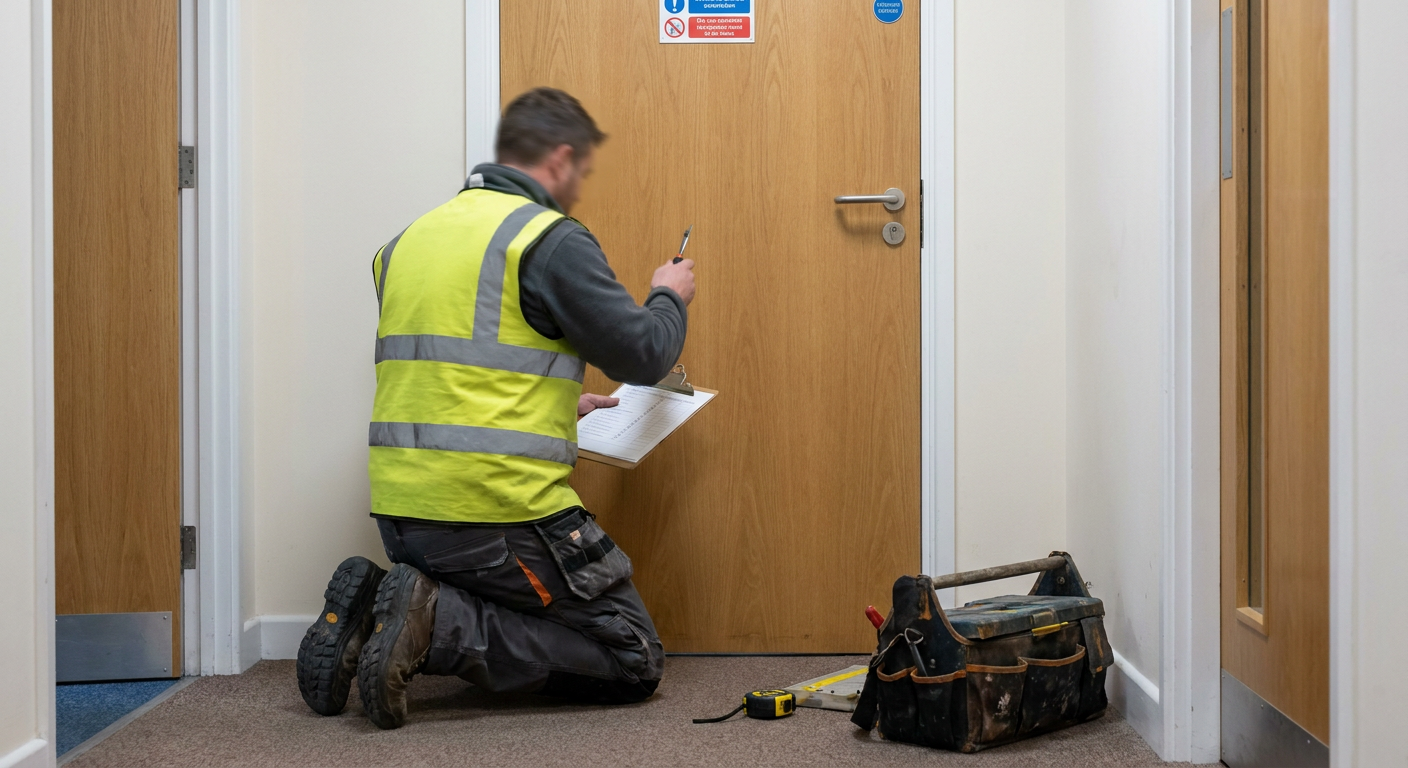
The specialists handle a defined set of tasks. A <a href="/fire-safety/compartmentation-survey-sutton">compartmentation survey</a> looks for hidden gaps that would let smoke travel between rooms or floors. <a href="/fire-safety/fire-door-inspection-sutton">Fire door inspections</a> check seals, hinges and self-closing devices on doors that are meant to hold back a fire.
For larger buildings, a <a href="/fire-safety/fire-strategy-sutton">fire strategy</a> sets out how the whole structure should perform in a fire. <a href="/fire-safety/fire-evacuation-plans-sutton">Evacuation plans</a> map the routes people should take to get out safely.
Training is also part of the work. Specialists run <a href="/fire-safety/fire-safety-awareness-training-sutton">awareness sessions</a> for staff and residents, and <a href="/fire-safety/fire-warden-training-sutton">warden training</a> for the people nominated to help others leave during an alarm. Written <a href="/fire-safety/fire-safety-policy-and-procedures-sutton">policies and procedures</a> give everyone a reference point for daily routines and emergencies.
Where the work takes place
Sutton is the centre of the area covered, but the specialists work across neighbouring towns. Enquiries come in from landlords and owners in <a href="/london-and-surrey/mitcham">Mitcham</a>, <a href="/london-and-surrey/thornton-heath">Thornton Heath</a> and <a href="/london-and-surrey/croydon">Croydon</a>, as well as <a href="/london-and-surrey/wimbledon">Wimbledon</a>, <a href="/london-and-surrey/new-malden">New Malden</a> and <a href="/london-and-surrey/epsom">Epsom</a>.
The type of building matters as much as the postcode. A flat above shops in <a href="/london-and-surrey/tooting">Tooting</a> presents different risks from a detached house in <a href="/london-and-surrey/ewell">Ewell</a>. Student halls require their own approach, which is why there is specific guidance on <a href="/fire-safety/student-accommodation-fire-safety-sutton">student accommodation fire safety</a>. HMOs have separate rules again, and <a href="/fire-safety/hmo-fire-risk-assessment-sutton">HMO assessments</a> address the extra hazards that come with shared kitchens and multiple tenancies.
Understanding your legal duties
Fire safety law changed significantly after the Grenfell Tower fire, and the rules keep being updated. If you own a building with two or more dwellings, you need to know about the <a href="/duties/fire-safety-england-regulations-2022-sutton">Fire Safety England Regulations 2022</a>. These set out what information must be given to residents and how often certain checks must happen.
Councils enforce these rules. If you receive an <a href="/duties/enforcement-letter">enforcement letter</a>, it means the council has identified a problem and expects you to act. Ignoring it leads to further action. For landlords applying for or renewing an HMO licence, meeting the <a href="/duties/hmo-licence-fire-conditions-sutton">licence fire conditions</a> is mandatory before tenants can move in.
Knowing when an assessment needs reviewing prevents problems from building up. The guidance on <a href="/duties/review-dates">how often a review is due</a> explains the triggers that mean you cannot rely on an old report.
Practical problems in local buildings
Most fire risks in Sutton homes are ordinary things left unchecked. Bin stores packed with cardboard and rubbish are a frequent cause of fires in blocks of flats. Reading about <a href="/latest/bin-stores-and-waste-as-a-fire-risk-in-sutton-blocks">waste as a fire risk</a> shows how quickly a small bin fire spreads through a corridor.
Electric bikes and scooters are another growing problem. Charging lithium batteries inside communal hallways or near escape routes creates a serious hazard. The notes on <a href="/latest/electric-bike-battery-charging-in-sutton-blocks-of-flats">electric bike battery charging</a> explain what the specialists look for when they visit.
Smaller details matter too. A self-closing device on a flat entrance door that has been wedged open defeats the purpose of the door entirely. Guidance on <a href="/latest/self-closing-devices-on-flat-entrance-doors-in-sutton">self-closing devices</a> covers what counts as compliant. Weekly testing of fire alarms and emergency lighting in communal areas is another routine duty that often gets missed until someone asks for proof.
How a typical job proceeds
Once an enquiry is made, the specialist firm follows a set sequence to assess the home and report back.
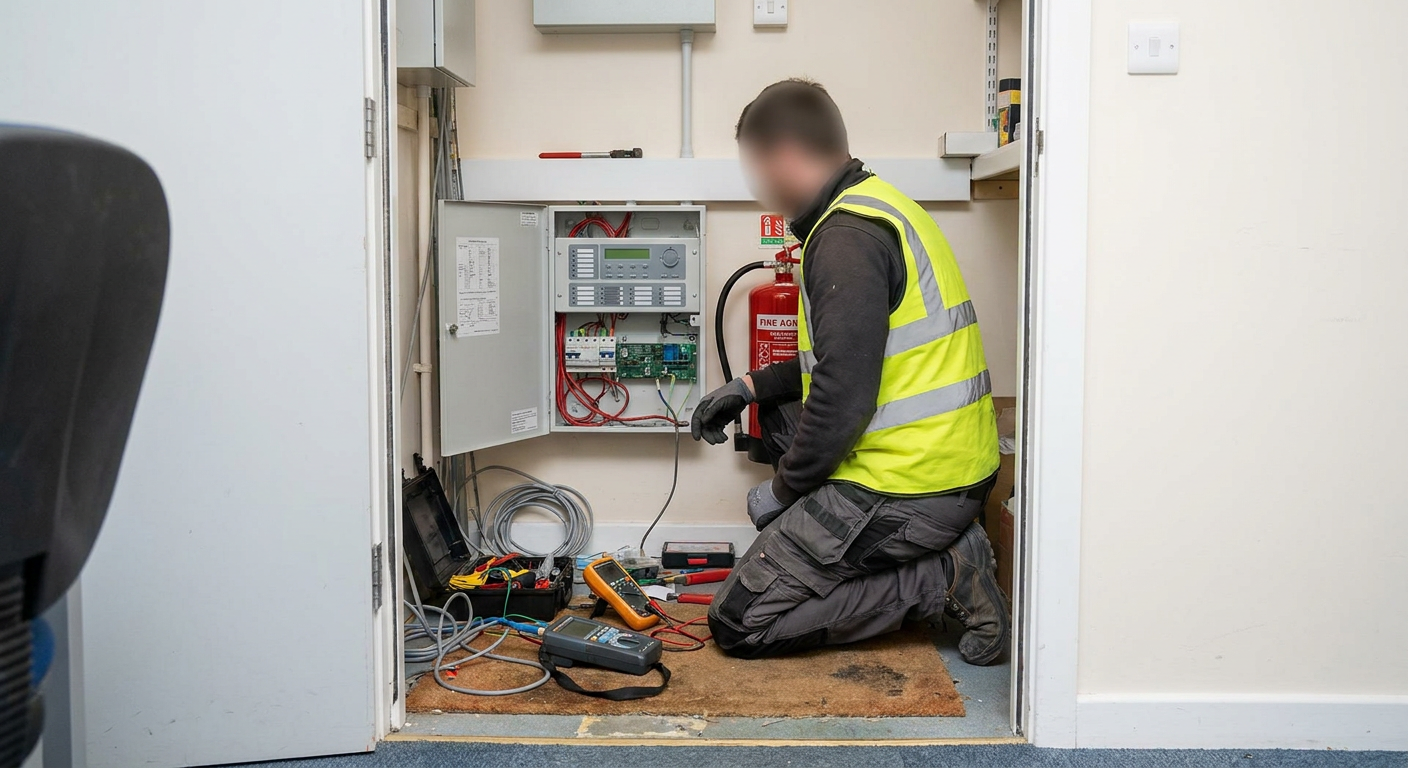
Enquiry received
Details about the home and the concern are recorded so the right specialist is allocated.
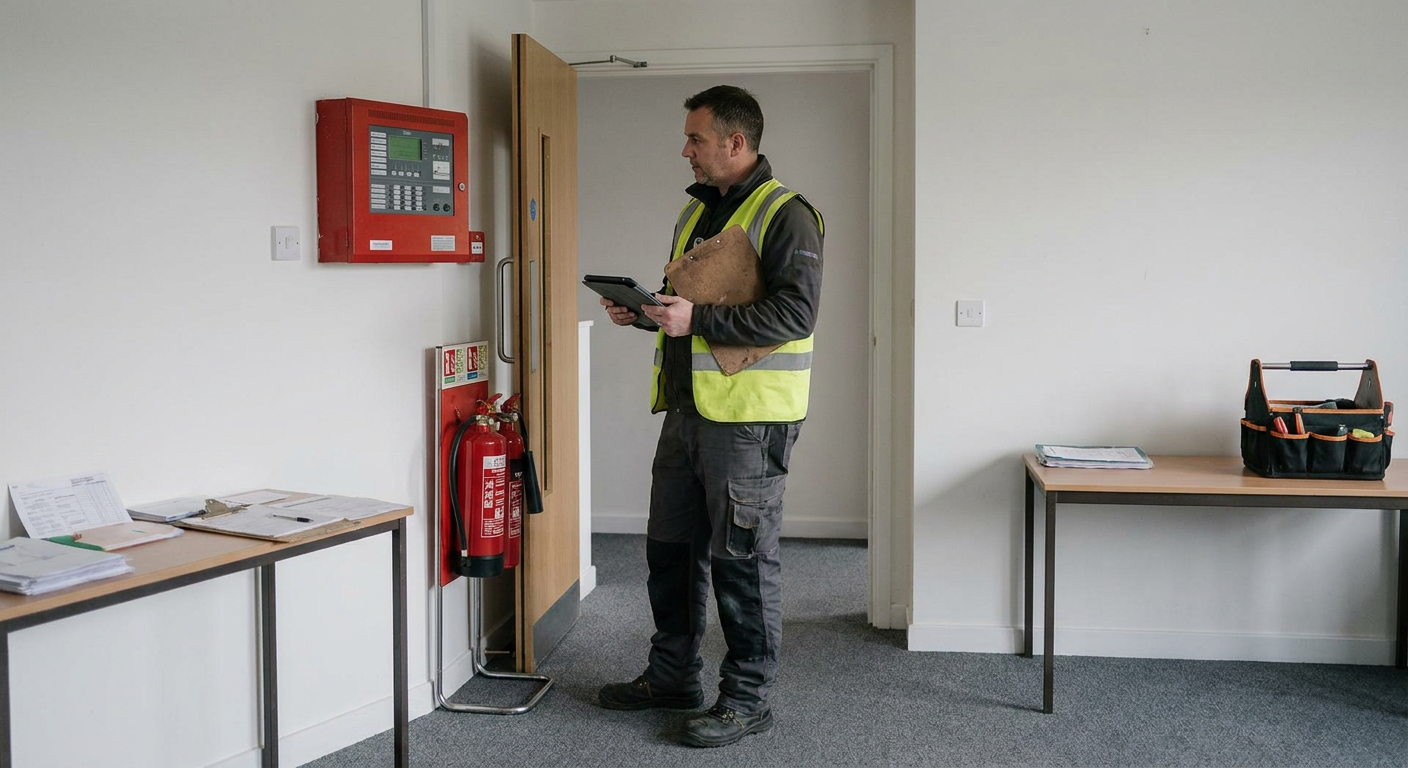
Site visit
The specialist inspects the building, checking doors, routes, alarms and any reported problems.
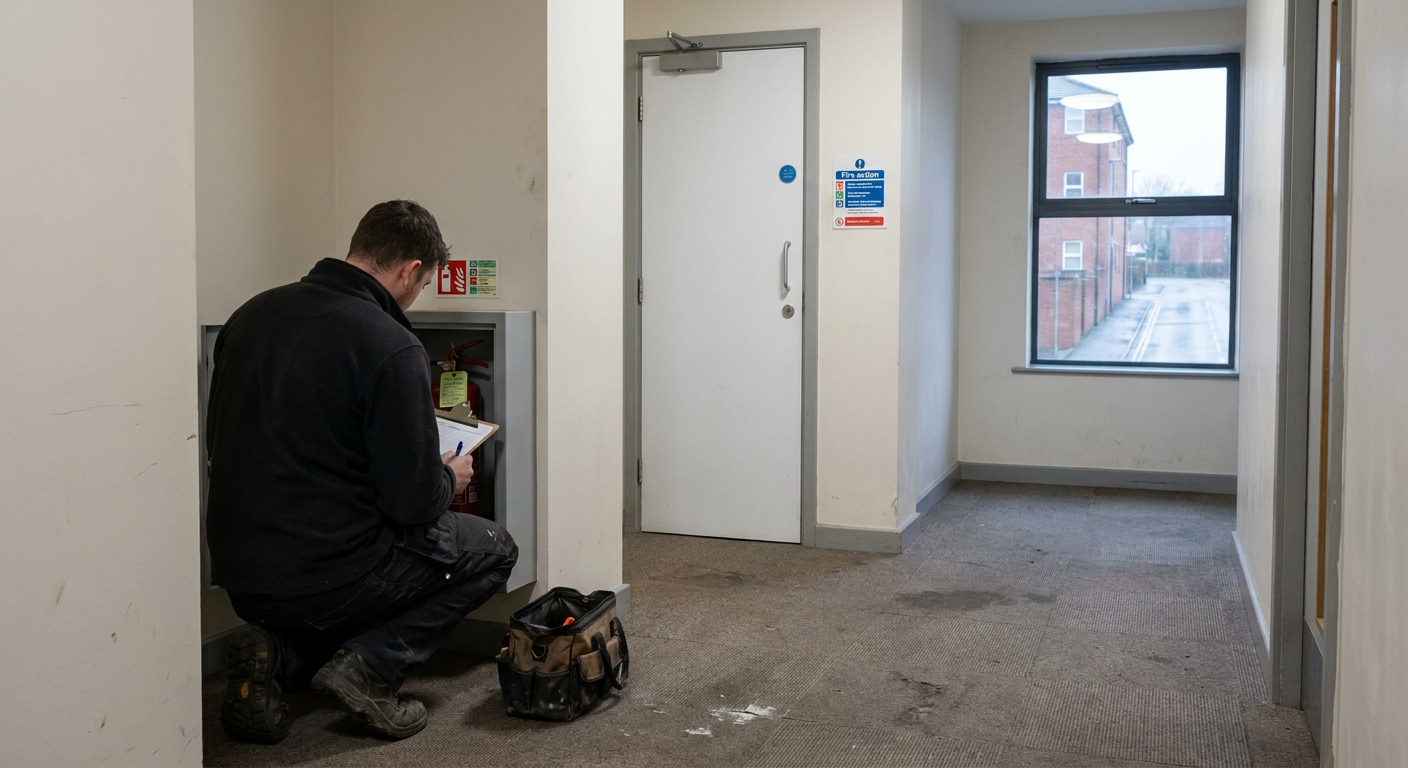
Report issued
Findings are written up with clear actions, priorities and deadlines for the owner.
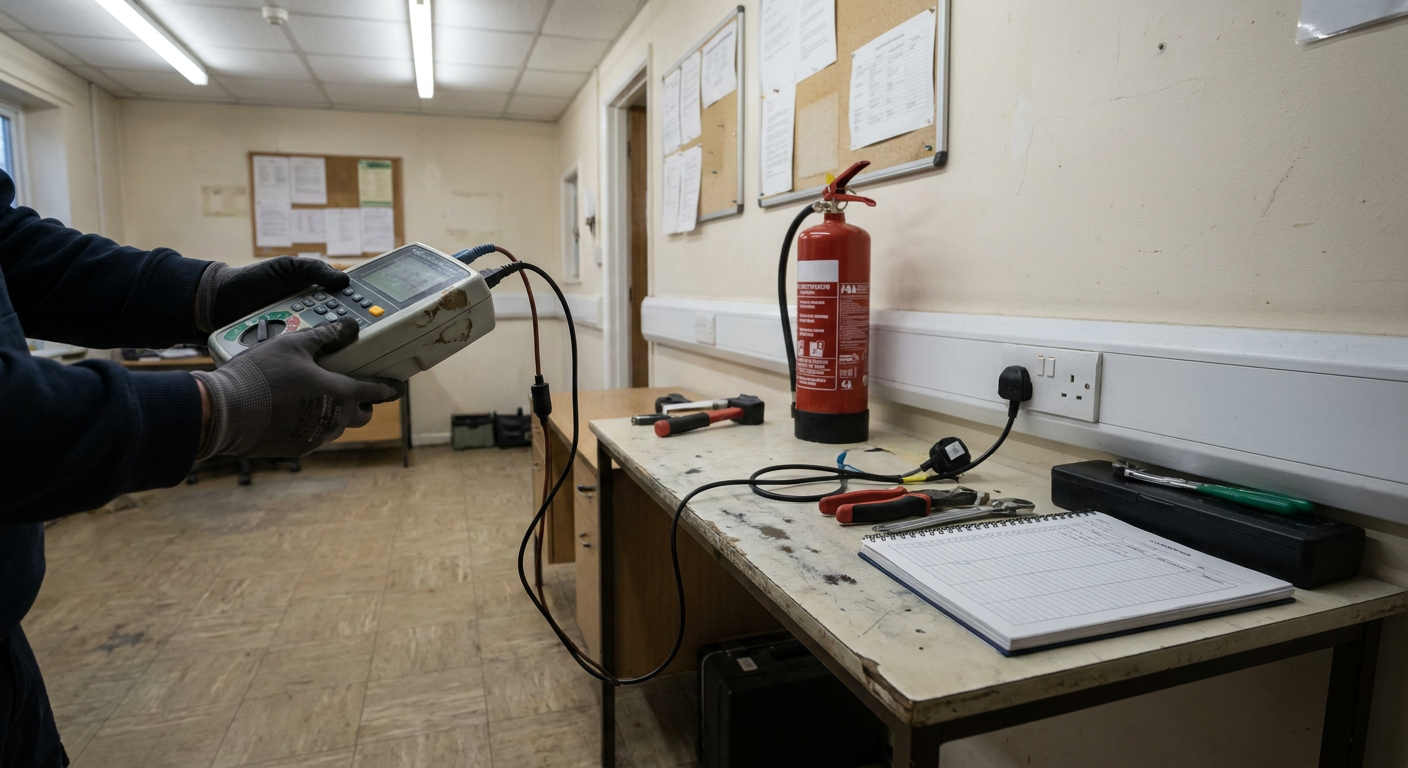
Follow-up
A date is set to check that the required work has been completed properly.
Documents you receive after the work
Every inspection produces a written record. The specialist documents what was found, judges the level of risk, and sets out exactly what needs doing and by when.
- Written assessment
- A full report listing hazards, who is at risk, and the steps needed to reduce that risk.
- Action plan
- A list of tasks with deadlines, showing what the specialist firm says must be fixed immediately and what can wait before the next inspection.
- Floor plans
- Drawings marking escape routes, fire doors, extinguishers and assembly points so anyone in the building knows where to go during a fire.
Ask about your home
Send the details of your home and what you have noticed. Your enquiry goes directly to the team handling bookings, and sending it does not commit you to paying for anything.
- No obligation to proceed
- How enquiries are handled
- Local specialists only