Sutton guide
How to arrange a fire risk assessment in Sutton
Send details about your building and receive advice on what is needed next. There is no charge for the initial enquiry, and nothing commits you to booking until you are ready.
Arranging a fire risk assessment in Sutton
Gathering paperwork before you book
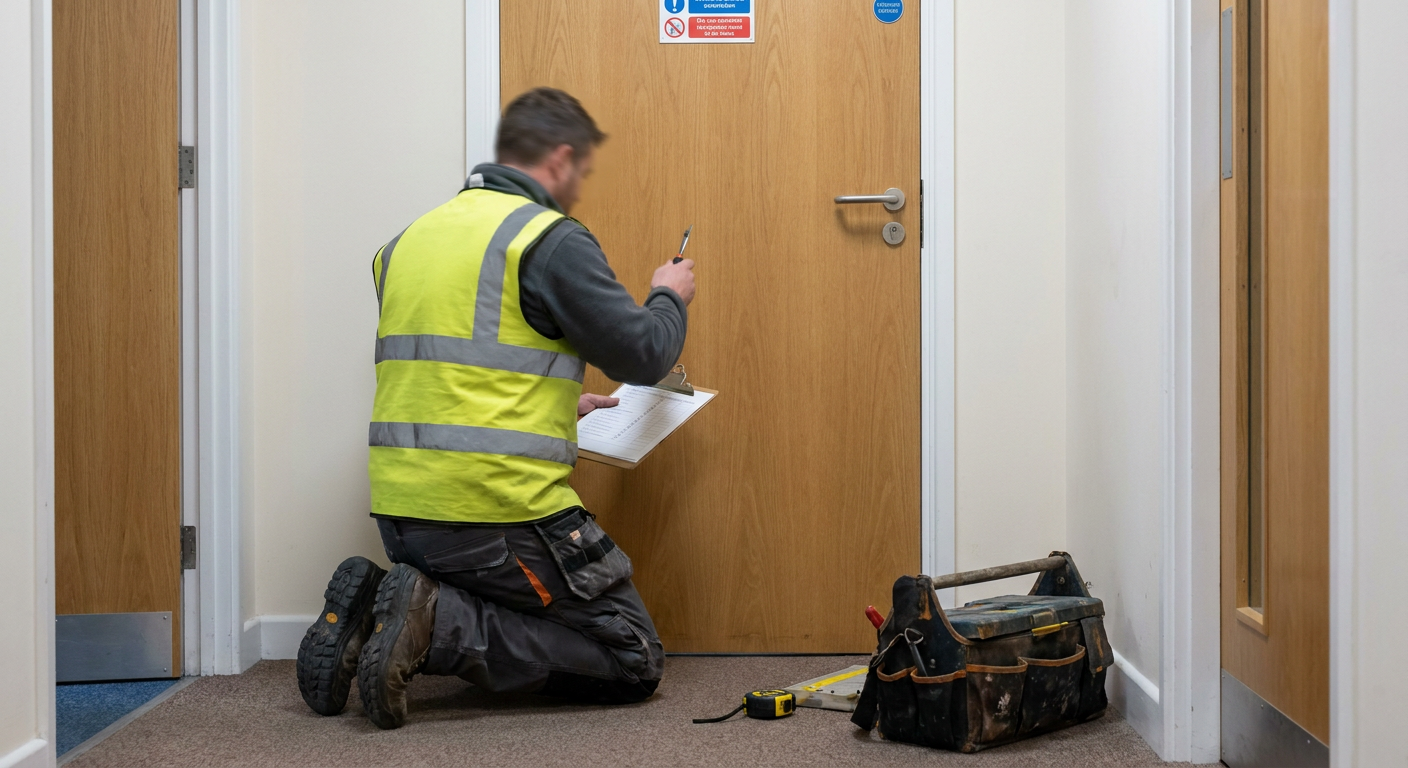
Preparing for a fire inspection in Sutton starts with collecting documents that describe the building and its history. The specialist firm carrying out the work will ask for floor plans, previous fire risk assessment reports, and any records of maintenance on alarms or emergency lighting. If the building has had recent alterations, planning drawings or builder invoices help establish what changed.
For flats, the management pack often holds useful information. For houses converted into multiple units, tenancy agreements and HMO licence conditions matter too. You can read more about [HMO licence fire safety conditions in Sutton](/duties/hmo-licence-fire-conditions-sutton) if your building falls under that category. Having these papers ready means the assessor spends time looking at the building rather than waiting for information to arrive. When you request a [fire risk assessment quote in Sutton](/contact), mentioning what paperwork you already hold helps the specialist firm size the job correctly from the start.
What the assessor needs access to on the day
The scope of access depends on the type of assessment booked. A standard check of communal areas covers hallways, stairwells, bin stores, plant rooms and roof voids. But some situations require [fire assessment access to flats](/latest/type-3-and-type-4-fire-risk-assessments-in-sutton-flats) themselves, particularly when the building layout means risks inside one dwelling affect another.
If individual dwellings need entering, tenants must be told in advance. Written notice is best, giving at least forty-eight hours where possible. Keys or fobs should be arranged beforehand so the visit does not stall at locked doors. For larger blocks, coordinating with a managing agent or caretaker makes this smoother. The specialist firm will confirm exactly which areas they need to enter when you book a fire risk assessment in Sutton, so you know who to notify and which locks to prepare for.
Time on site for different buildings
A small converted house in Sutton typically takes between two and three hours. The assessor walks every accessible room, checks escape routes, examines fire doors and looks at how services like gas and electricity enter the building. Larger blocks of flats take longer because there are more floors, more doors and more shared spaces to examine.
During the visit, the assessor notes what the building contains and how people use it. They look at things like [self-closing devices on flat entrance doors](/latest/self-closing-devices-on-flat-entrance-doors-in-sutton) and whether [bin stores present a fire risk](/latest/bin-stores-and-waste-as-a-fire-risk-in-sutton-blocks). The duration also depends on how many issues surface. A well-maintained building moves faster than one where problems appear on every landing. The specialist firm usually gives an estimated time when the appointment is confirmed.
Choosing a suitable assessor
Fire risk assessments must be completed by someone competent. That word has a specific meaning here: sufficient training, experience and knowledge to judge the risks in your particular type of building. Someone used to assessing offices may not be the right choice for a Victorian house split into bedsits.
You can ask the specialist firm about their qualifications and the types of buildings they normally assess. Check whether they hold professional indemnity insurance. Ask for a sample report so you can see how findings are presented before you commit. The [responsible person for fire safety in Sutton](/duties/responsible-person-sutton) carries the legal duty to ensure the assessment is adequate, so choosing carefully matters. If you manage student housing, the expectations differ again, and [student accommodation fire safety](/fire-safety/student-accommodation-fire-safety-sutton) requires someone familiar with those specific risks.
What the written report must contain
Before accepting the document as complete, check that it covers everything required. Fire risk assessment report contents should include a description of the building, who uses it and any particular vulnerabilities among occupants. It must record the hazards identified, the people at risk, and the measures already in place.
The report needs an action plan. Each recommendation should state what needs doing, how urgently, and who should do it. Vague advice helps nobody. Look for clear priorities: immediate actions separated from longer-term improvements. If the building needs further investigation, such as a [compartmentation survey in Sutton](/fire-safety/compartmentation-survey-sutton) to check hidden gaps, the report should say so explicitly. You should also find a date for the next review. Guidance on [how often a review is due](/duties/review-dates) helps you plan ahead.
Receiving the report and handling urgent findings
The written report usually arrives within five to ten working days of the site visit. Larger buildings in Sutton can take longer, so ask for a specific date when you request a fire risk assessment quote in Sutton.
A complete document will list every hazard found, rate the risk each one poses, and set out clear steps to reduce it. It should name who is responsible for each action and give a realistic deadline. Before accepting it as finished, check that it covers all the areas the assessor visited and that the recommendations make sense for your home. The [fire risk assessment report contents](/the-arrangement/how-we-work-sutton) should leave no doubt about what needs doing next.
If the assessor finds something dangerous during the visit, they will not wait for the final paperwork to tell you. Blocked escape routes or doors that fail to close are raised on the spot. You get immediate verbal advice and a note of what must happen before anyone else enters the building. In extreme cases, temporary measures such as a [waking watch in Sutton blocks of flats](/latest/waking-watch-in-sutton-blocks-of-flats-when-and-why) might be recommended until permanent repairs are made.
Signs that shape the assessment brief
Different buildings show different warning signs before an assessment is even booked. What you notice determines the scope of work the specialist firm needs to carry out on the day.
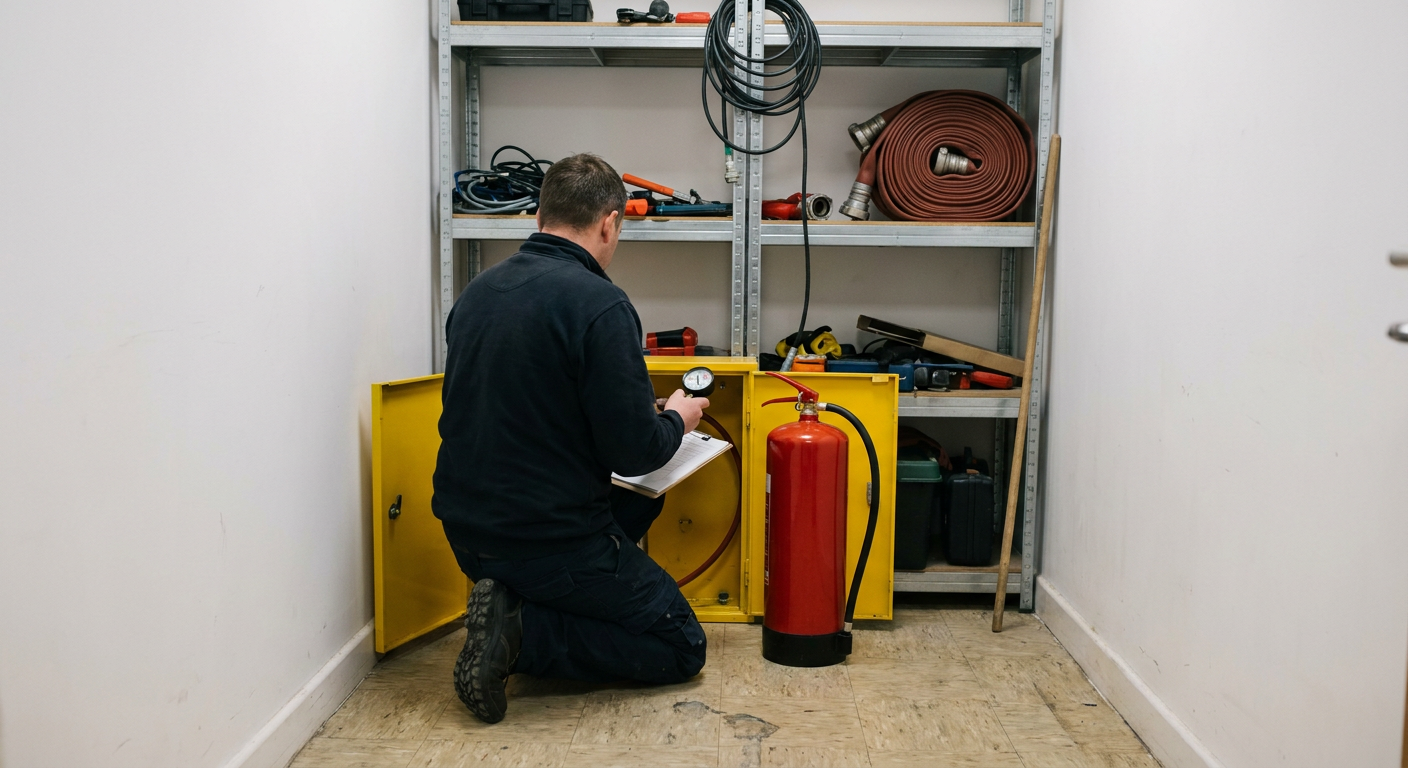
- Doors that do not close fully on their own
- Faulty closers or swollen frames compromise compartmentation. A [fire door inspection](/fire-safety/fire-door-inspection-sutton) would determine whether repair or replacement is needed.
- Scorch marks near electrical cupboards
- Possible overheating or past arcing. The assessor will want access to service risers and may recommend testing by an electrician.
- Residents storing items in stairwells
- Escape routes are obstructed. This points to a need for clearer [fire safety policy and procedures](/fire-safety/fire-safety-policy-and-procedures-sutton) communicated to all occupants.
- No visible emergency lighting in corridors
- Either none was installed or units have failed. The assessor will note this and likely recommend [emergency lighting testing](/latest/emergency-lighting-testing-in-sutton-communal-areas) by a specialist.
Questions about arranging the assessment
What paperwork should I gather before booking?
Collect floor plans, previous assessment reports, maintenance logs for alarms and lighting, and records of any building work. For rented homes, include tenancy agreements and any licence conditions issued by the council.
Does the assessor need access to every flat?
Not always. Many assessments cover only communal areas. But if internal layouts affect shared escape routes, entry to individual flats becomes necessary. The specialist firm confirms the required scope before the visit.
How long will the assessor be on site?
A converted house usually takes two to three hours. Purpose-built blocks take longer depending on size, number of floors and how many issues surface during the walk-through.
Do I need to tell tenants in advance?
Yes. Give written notice of at least forty-eight hours if the assessor needs to enter occupied dwellings. Arrange keys or fobs beforehand so the visit proceeds without delays at locked doors.
What should the written report contain?
It must describe the building, list hazards, identify who is at risk, record existing precautions and provide a prioritised action plan with deadlines. A review date should also be included.
How soon after the visit will I get the report?
Most specialist firms deliver within five to ten working days. Complex buildings may take longer. Agree the expected delivery date before the appointment takes place.
Who can carry out the assessment?
Someone competent, meaning they have the training, experience and knowledge relevant to your building type. Ask for proof of qualifications, insurance and a sample report before confirming.
What happens if something urgent is found?
If the assessor finds something dangerous during the visit, they tell you immediately rather than waiting for the written report. They will advise on temporary measures, such as restricting access to a hallway or wedging a fire door shut, until a contractor completes permanent repairs.
Ask about arranging an assessment
Send details about your building and the type of assessment you think is needed. The enquiry goes directly to a specialist firm who will respond with next steps. Nothing obliges you to proceed.
- No obligation to book
- Direct reply from specialists
- Local to Sutton