Sutton
Fire safety help and advice for Sutton buildings
Send a short description of your building and what is worrying you. There is no charge for that first conversation, and it tells you whether a specialist needs to visit.
Understanding fire risk management in Sutton
What happens when you get in touch
The first conversation involves describing the building and the problem you have noticed. That call or message costs nothing. It establishes whether the situation requires a site visit from a fire risk assessor near Sutton, or whether a document check will do.
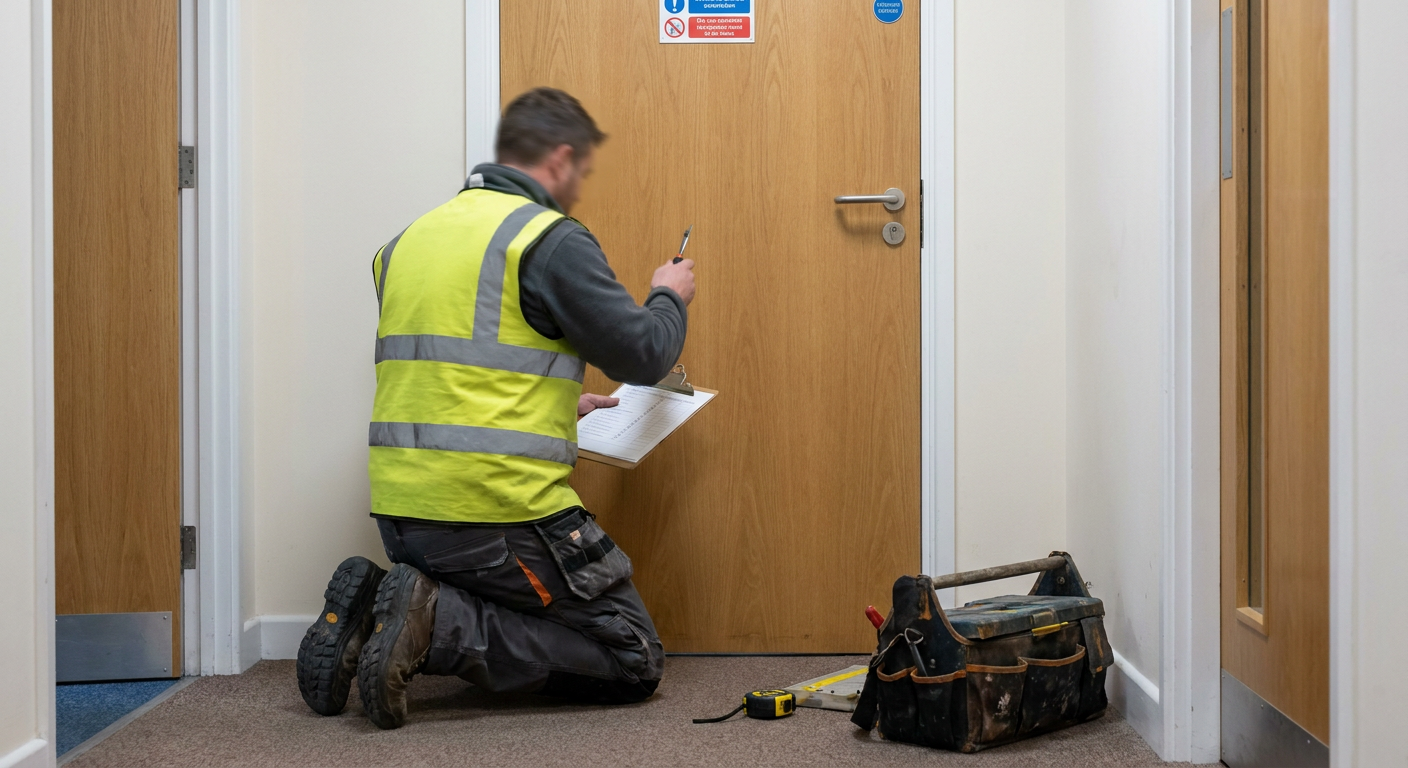
Once the scope is clear, a separate specialist firm takes on the work. They arrange a date to attend the building. How quickly someone can come out depends on diary space and urgency, but most visits in Sutton happen within days rather than weeks. The specialist explains exactly what they need to see before they arrive.
If you have had a letter from the London Fire Brigade about your block, the first step is to read the deadline printed on it. Enforcement letters set a specific timeframe for action. A specialist can review the letter and advise on what the fire brigade expects next.
Who holds the legal duty
Landlord fire duties in Sutton fall on whoever controls the shared parts of the building. If you own a converted house split into three flats and manage it yourself, you are the responsible person. If a managing agent runs the block under contract, the duty often sits with them, though the freeholder retains obligations too. The exact split depends on the lease terms.
Working out who is responsible person for flats matters because that individual must commission any required assessment and act on its findings. Small blocks still carry these obligations. Fire safety rules for a small block in Sutton apply regardless of size. A maisonette above a shop or a house divided into two self-contained flats both need attention if there are shared escape routes.
Access, tenants and the written report
A standard assessment of communal areas does not require entry to every flat. But certain types of inspection, such as a Type 3 or Type 4 assessment, do involve looking inside individual dwellings. When access to a rented flat is needed, tenants must receive reasonable notice. In practice this means at least twenty-four hours in writing, though more time is courteous and usually expected.
After the visit, the specialist writes up their findings. The time it takes for a written report to arrive varies by the size of the building and the complexity of the issues found. Most reports for small blocks reach the client within ten working days. The document sets out hazards, existing measures and any actions required, ranked by priority.
When problems are found
An assessment might identify missing fire doors, blocked corridors or gaps in compartmentation walls. The specialist firm that carried out the inspection does not fix these things. Separate contractors handle remedial work. This keeps the assessment independent. You decide who carries out repairs based on the written recommendations.
If your insurer has asked for proof of a fire risk assessment, they need the completed report itself. Send them the final signed document showing the date of inspection, the name of the assessor and the action plan. A receipt for payment is not enough. Insurers want evidence that the building was examined and that any serious risks are being managed.
What to look for around your building
Signs of fire risk vary between buildings. What looks harmless in one hallway might be a serious fault in another. A specialist visit settles what each sign actually means.
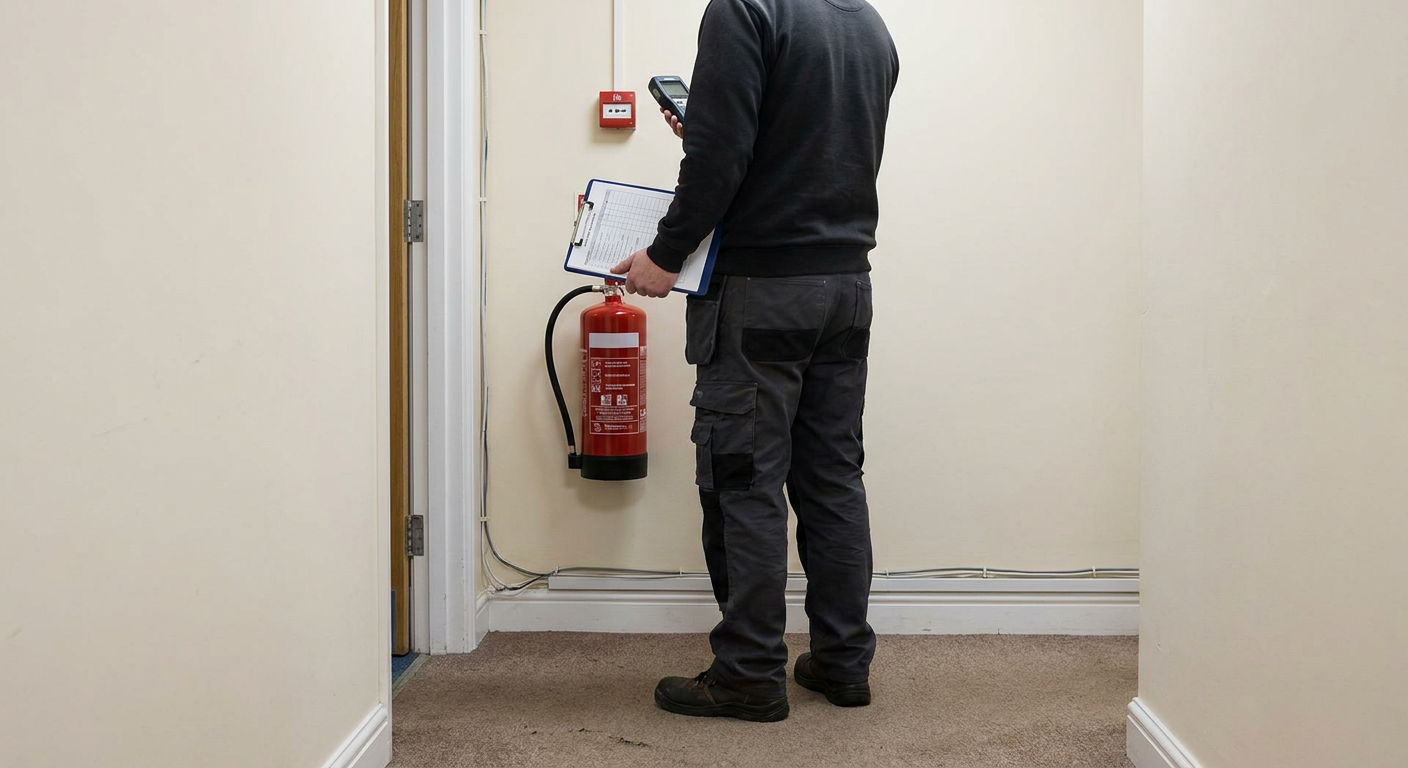
- Gaps around the door frame where light shows through
- Smoke could pass through during a fire. A fire door inspection would confirm whether the seals and hinges meet current standards.
- A heavy door that swings open on its own
- The self-closing device may be broken or wrongly adjusted. A specialist checks the closer speed and alignment to confirm.
- Cardboard boxes stacked in the stairwell
- Stored items reduce escape width and add fuel load. An assessment identifies which common areas must remain completely clear.
- Cracks in the ceiling of a shared corridor
- There may be a gap in the fire separation between floors. A compartmentation survey determines if smoke can travel through the void.
What shapes the cost of the work
Every building differs in layout, age and use. The specialist assesses the specific property before confirming what the job involves and what it will cost.
- Number of storeys and flats
- More dwellings mean more doors, longer escape routes and additional compartments to examine during the visit.
- Type of assessment needed
- A survey limited to shared hallways takes less time than one requiring entry to every individual flat.
- Age and conversion history
- Older conversions often contain hidden voids and mixed construction materials that take longer to evaluate properly.
- Urgency of the visit
- Tight deadlines from insurers or enforcement bodies sometimes require the specialist to rearrange their existing schedule.
The specialist explains the full cost of your particular job before anything is agreed.
Ask about your building in Sutton
Send a brief description of the problem and your address. It goes directly to the team handling enquiries. There is no obligation to book a visit or pay for anything at this stage.
- No obligation to proceed
- Local knowledge of Sutton
- Clear answers first