Sutton guide
How often a fire risk assessment review is needed
Send details of your building to find out whether your report still holds. An initial look at what you describe costs nothing and carries no obligation.
How often fire risk assessment review intervals work in Sutton
The standard interval for blocks of flats in Sutton
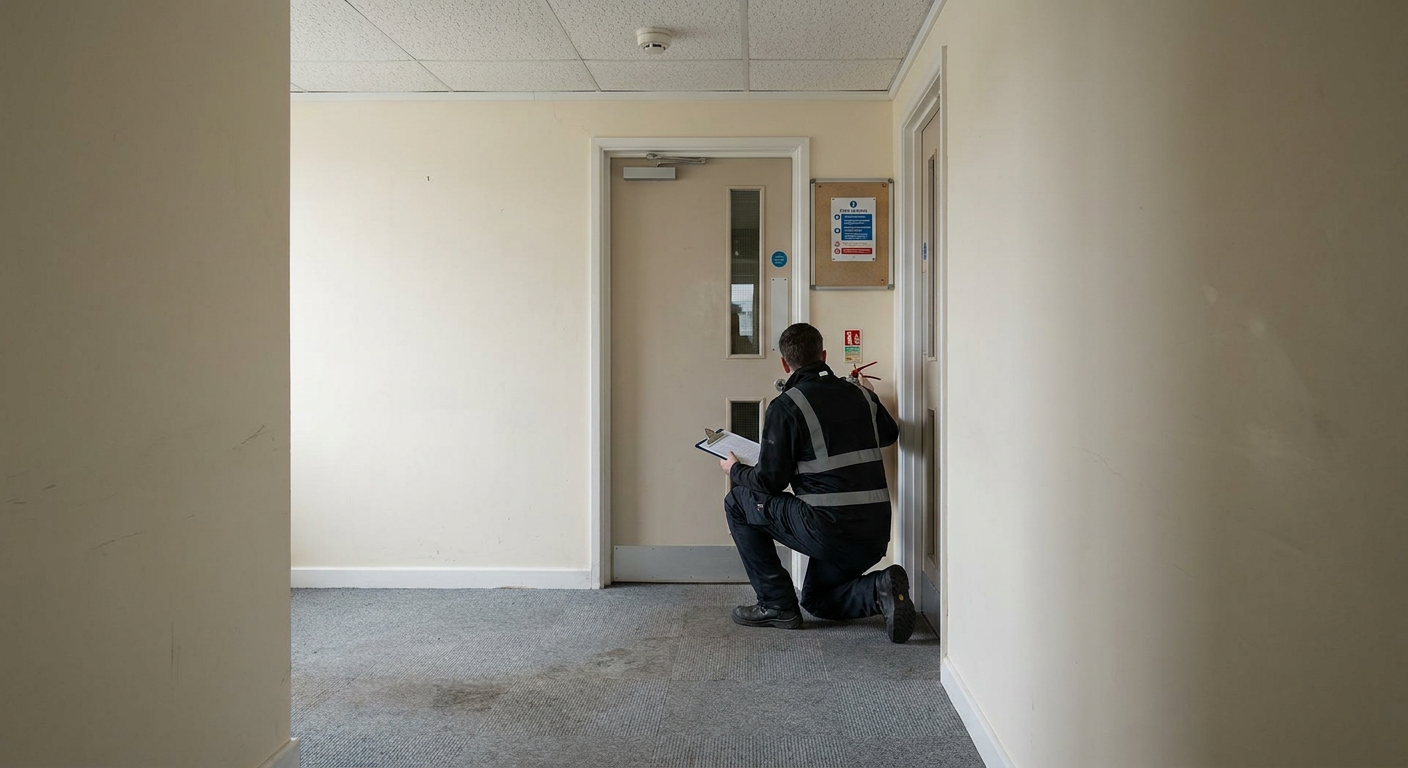
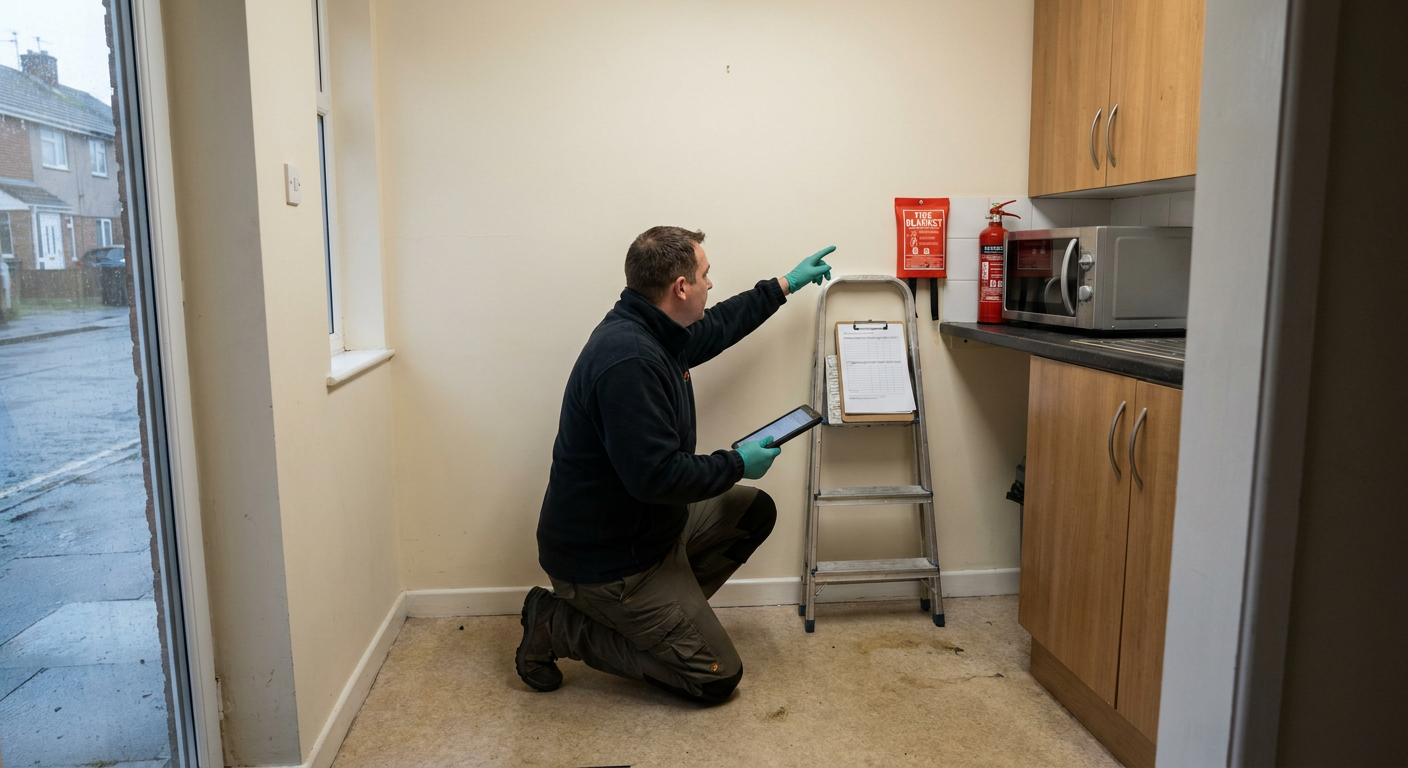
People often ask how often does a fire risk assessment need reviewing for a block of flats in Sutton. The answer depends on the building rather than a fixed calendar rule. For most residential blocks, an annual review fire assessment Sutton owners arrange keeps the record current. A specialist firm sets the first date after completing the initial survey, basing it on the building type, who lives there and the risks they found.
There is no single fire assessment expiry date printed into law. Instead, the responsible person must keep the document valid by acting on its recommendations and checking that conditions have not changed. You can read more about those duties on the page about <a href="/duties/responsible-person-sutton">who acts as the responsible person</a>. If residents are vulnerable or the layout is complex, the assessor will set a shorter gap between checks. For straightforward low-rise buildings with few shared areas, twelve months is typical, but the date belongs in the report itself.
When to redo fire risk assessment because of changes
Certain events mean you cannot wait for the scheduled date. Changes that trigger reassessment include structural work such as a loft conversion, new partition walls or alterations to escape routes. If you have just converted the loft, the specialist will usually treat this as grounds for a full new assessment rather than a simple review, because the original floor plan and the compartmentation no longer match the report. A <a href="/fire-safety/compartmentation-survey-sutton">compartmentation survey</a> may be part of that process.
Swapping front doors also matters. Fire doors carry specific ratings, and replacing them without checking gaps, seals and hinges can void earlier findings. See what gets checked during a <a href="/duties/fire-doors-what-gets-checked">fire door inspection</a>. Adding a new tenant does not automatically force a fresh report unless their needs change the evacuation plan, but a growing number of occupants in an HMO might. Landlords managing shared houses should check the <a href="/fire-safety/hmo-fire-risk-assessment-sutton">HMO fire risk assessment</a> guidance for specifics.
Review versus new fire assessment: scope and cost
A common question is whether a review is cheaper than a full reassessment and what is involved. In general terms, yes. A review means the specialist firm revisits the existing document, walks the building again and updates only the sections affected by time or minor changes. They do not start from scratch.
A new assessment rebuilds the entire record. It is necessary when the layout has shifted significantly, when the use of the building has changed or when the previous report is so old that its baseline no longer reflects reality. Deciding between a review versus new fire assessment depends entirely on what has happened since the last visit. The specialist advises which suits after looking at the job. Arranging either one follows the same steps outlined in the guide to <a href="/duties/arranging-an-assessment-sutton">booking an assessment in Sutton</a>.
Who decides the review date and keeping records current
The assessor recommends the next date based on what they see, but the legal duty to act on it falls to the responsible person. You own the schedule once the report is handed over. If you disagree with the suggested interval, raise it before the specialist finalises the document.
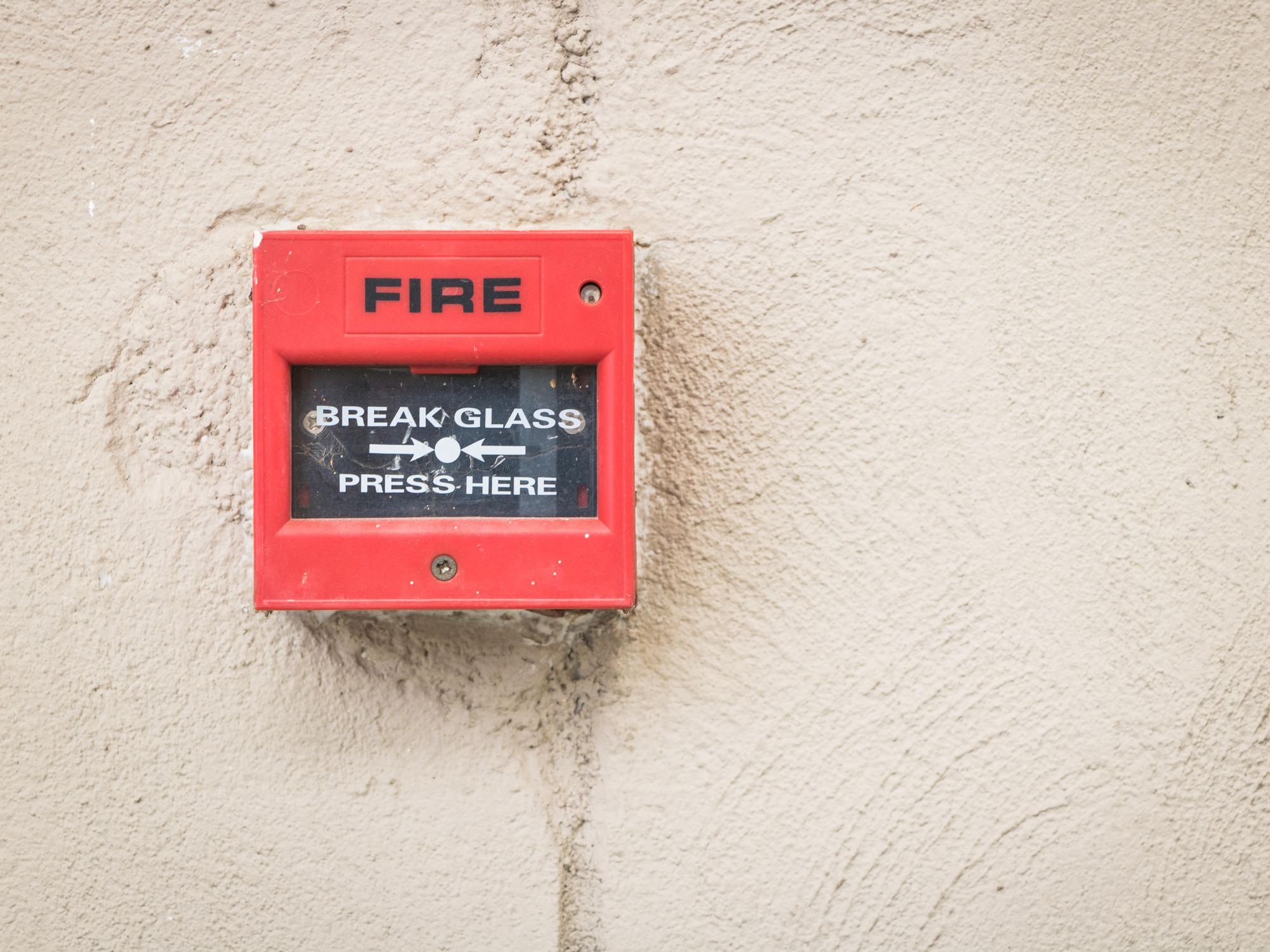
Between reviews, you still have work to do. Test alarms weekly, check emergency lighting, keep corridors clear and log everything. These tasks are covered in the guides to <a href="/latest/weekly-fire-alarm-testing-in-sutton-blocks-of-flats">weekly alarm testing</a> and <a href="/latest/emergency-lighting-testing-in-sutton-communal-areas">emergency lighting checks</a>. Bin stores need attention too, since waste is a frequent ignition source in local blocks. Read about <a href="/latest/bin-stores-and-waste-as-a-fire-risk-in-sutton-blocks">bin stores as a fire risk</a> for practical steps.
Old reports and what insurers expect
If your report is three years old, you may wonder whether it is still valid for your insurer. Most insurers expect evidence that the building meets current standards, and a three-year-old document rarely satisfies that expectation unless the property is very simple and nothing has changed. People searching for how long a fire risk assessment stays valid will find that the answer is tied to activity, not just age.
An outdated report leaves gaps in your cover. Insurers can refuse a claim if they determine you failed to maintain the safety record. To understand what a current <a href="/fire-safety/fire-risk-assessment-sutton">fire risk assessment in Sutton</a> examines, read the main service page. If the council has already written to you about missing paperwork, follow the steps in the guide on receiving a <a href="/duties/enforcement-letter">fire safety enforcement letter</a>.
Signs your fire risk assessment needs attention now
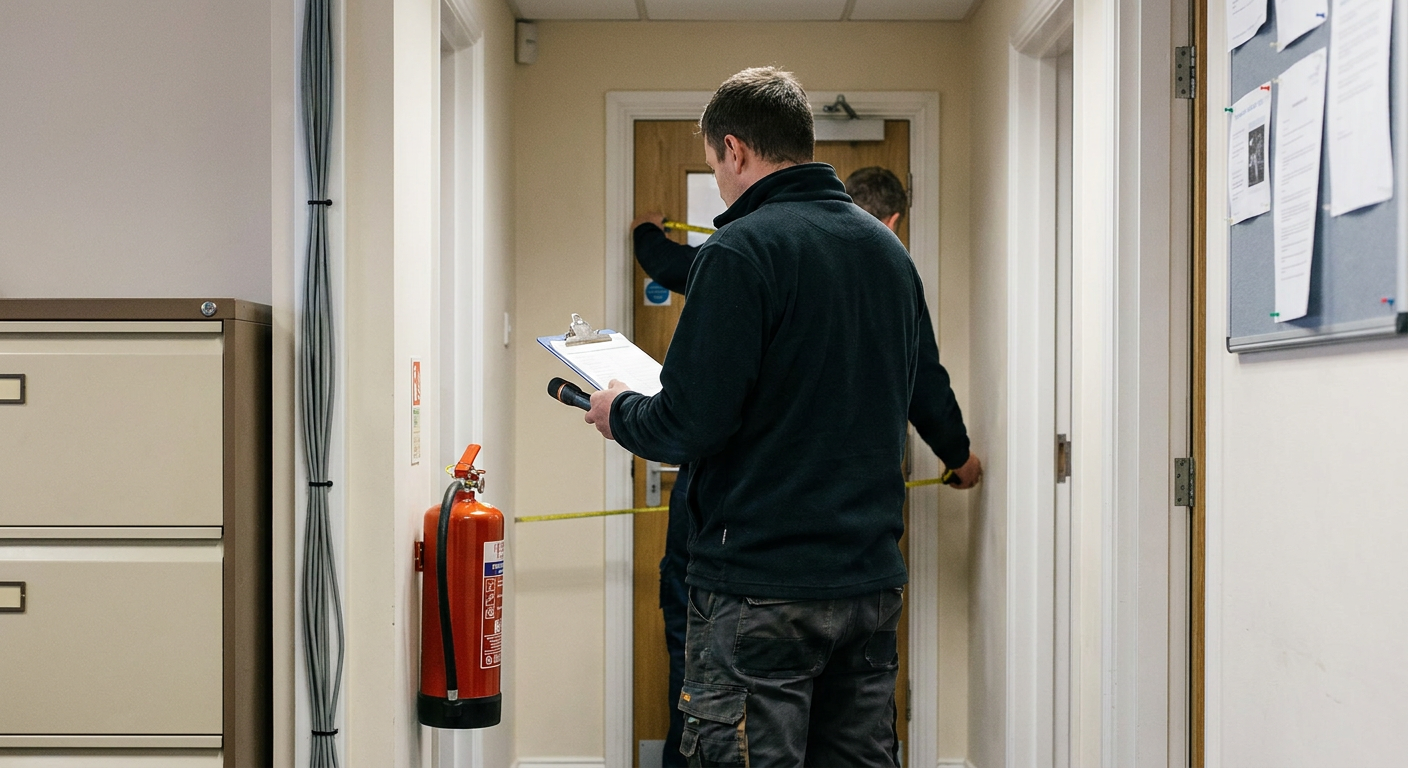
A report loses value when the building moves away from what it described. Look for these physical changes around your home or block that suggest the record no longer matches reality.
- 1
New internal walls or partitions
Fresh plasterboard dividing a room or corridor alters escape routes and smoke spread, meaning the old plan is wrong.
- 2
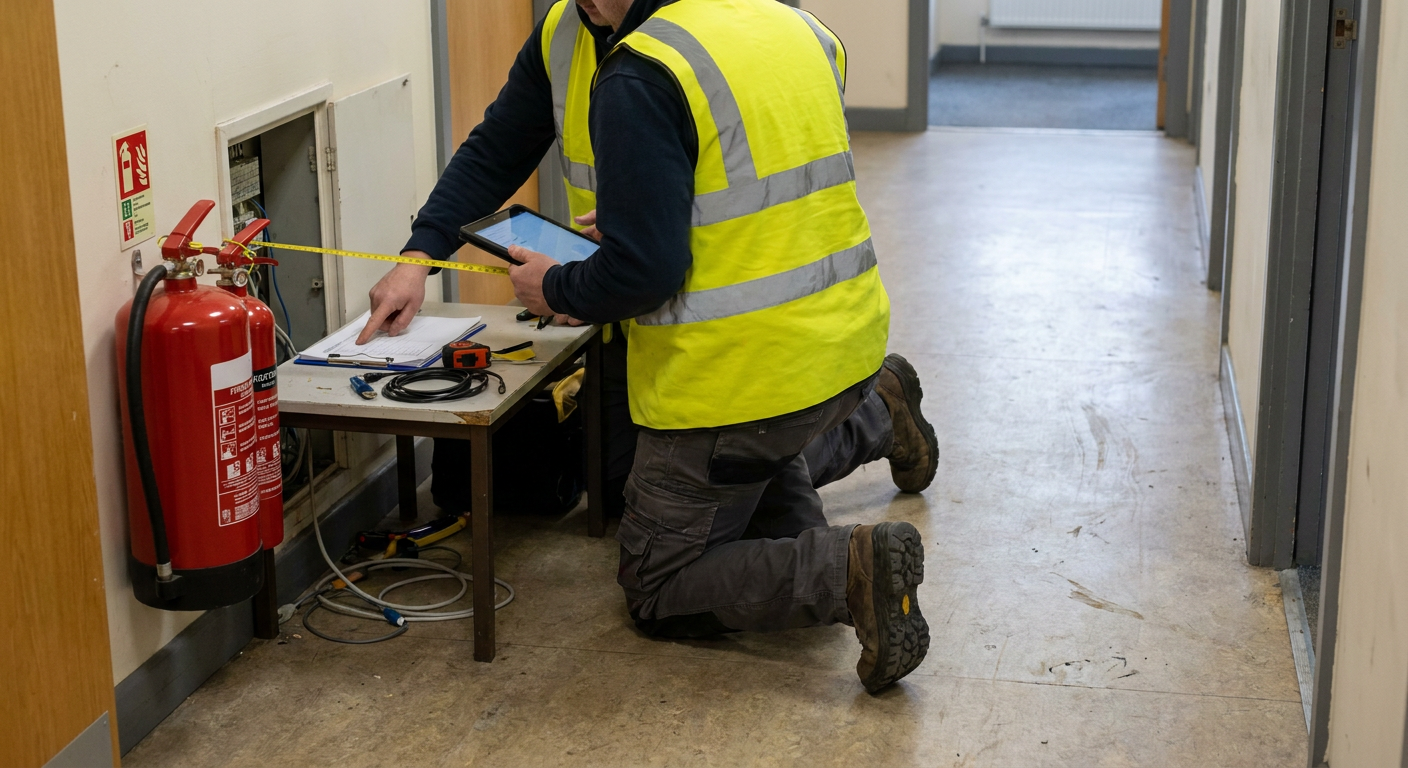
Replaced entrance doors
A door swapped without matching the fire rating or fitting intumescent strips may leave a gap in compartmentation.
- 3
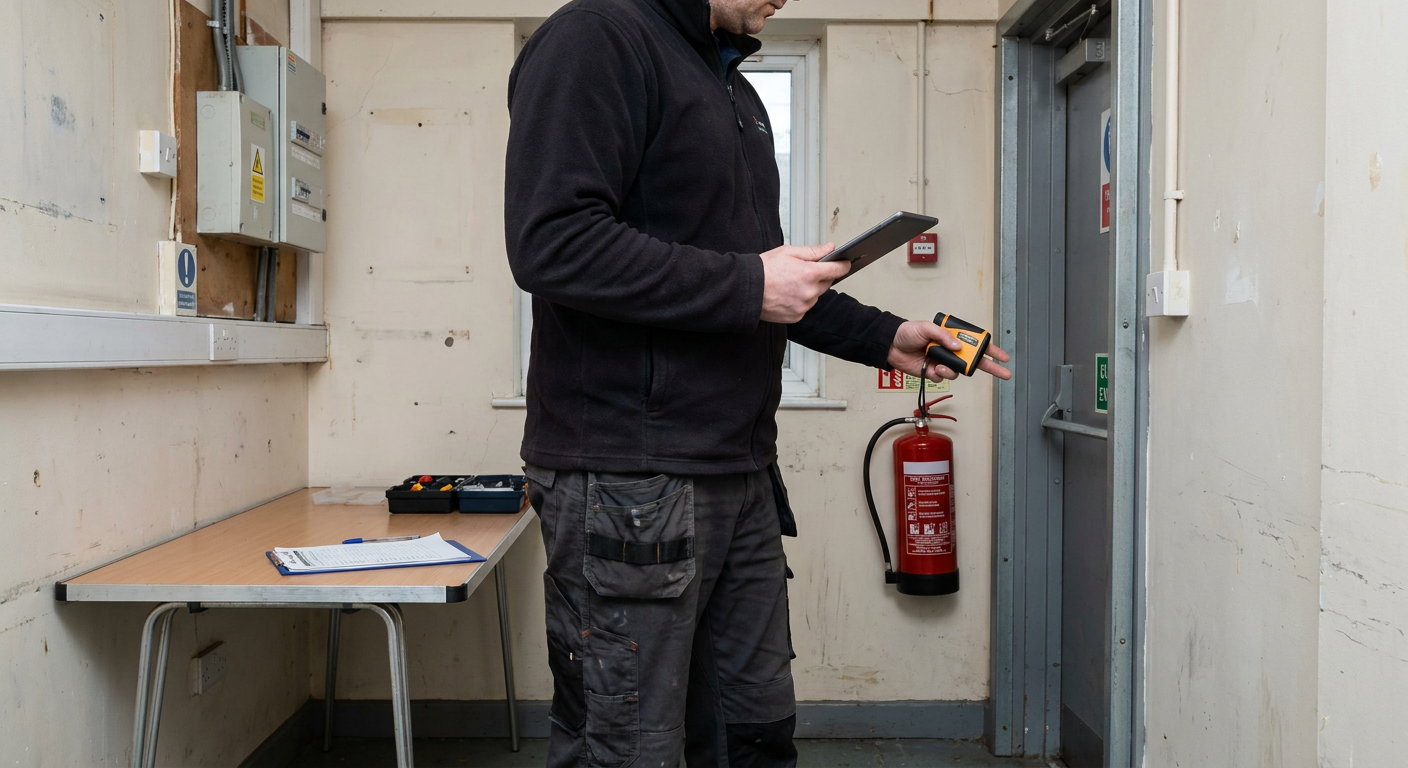
Blocked communal corridors
Bikes, pushchairs or storage narrowing a hallway change the evacuation assumptions the original report relied upon.
- 4
Added electrical points
New wiring or heavy loads in shared areas create ignition sources the previous assessment never considered.
Choosing between a review and a new assessment
The right path depends on how much the building has changed since the last visit. Each option involves different levels of work.
Scheduled review
- Scope of the visit
- Checks the existing report against current conditions and updates sections.
- When it applies
- Suitable when the layout, occupancy and use remain broadly the same.
- Disruption to residents
- Shorter time on site, less intrusion into individual homes or shared spaces.
- Output produced
- An updated version of the current report with revised dates and notes.
Full new assessment
- Scope of the visit
- Starts from scratch, surveying every area and writing a complete new document.
- When it applies
- Needed after major building works, a change of use or a very long gap.
- Disruption to residents
- Takes longer, requiring access to all rooms and voids across the building.
- Output produced
- A standalone document replacing the old one entirely.
The specialist firm advises which suits after examining the building and its history.
Ask about your fire risk assessment review
Describe your building and the date of your last report. The enquiry goes to a specialist firm who will tell you whether a review or a new assessment fits. Sending this does not commit you to any work.
- No obligation
- Free initial look
- Local specialists