Sutton blocks of flats
Waking watch in Sutton blocks of flats: when and why
If someone has told you a waking watch might be needed for your block, send an enquiry to find out what that means. There is no charge for asking questions first.
Waking watch in Sutton blocks of flats: when and why
What a waking watch actually involves
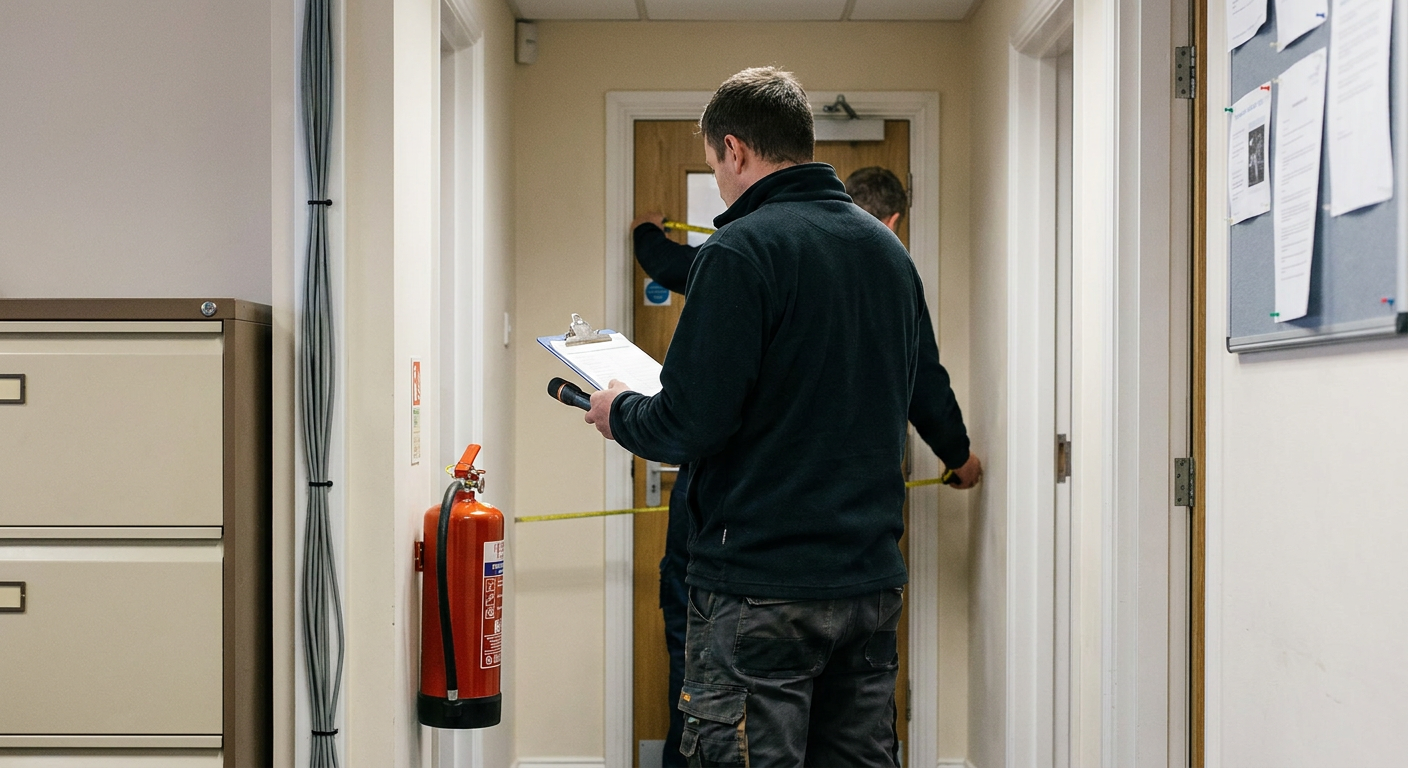
A waking watch means people walk through the common parts of a block of flats continuously, looking for signs of fire and raising the alarm if they see or smell anything wrong. They stay awake through the night, hence the name. In Sutton, this usually happens in buildings where the normal fire safety measures have been found to fall short.
The people doing the patrol are not residents taking turns. A specialist firm provides trained staff who know the layout of the building and understand how to alert everyone quickly. They carry torches and radios, and they follow a set route past every flat door, stairwell and landing.
This arrangement is expensive. The cost falls on the building owner or gets passed to leaseholders through service charges, so nobody puts a waking watch in place lightly. It exists because the alternative, leaving a building without adequate warning in the event of a fire, carries a far greater risk.
When one gets put in place in a block of flats
A waking watch starts when a fire risk assessment finds that the building cannot safely rely on its existing detection and alarm systems. That might happen after cladding is identified as unsafe, or when compartmentation between flats is compromised and smoke could spread faster than expected.
Sometimes the trigger is a failure in the fire alarm system itself. If the alarms do not reach every flat, or if the call points are broken and cannot be fixed immediately, a temporary human presence fills the gap. The responsible person for the building arranges this after receiving advice from a fire risk assessor or the local fire authority.
In older blocks around Sutton, problems with self-closing devices on flat entrance doors can also play a part. If doors no longer shut properly, smoke moves freely through corridors. Until those doors are repaired or replaced, a waking watch may be the only way to ensure residents get enough warning to leave.
The role of the fire risk assessment
A fire risk assessment is the document that usually determines whether a waking watch is necessary. An independent specialist firm inspects the building, checks the escape routes, looks at the condition of fire doors and reviews the alarm system. The resulting report sets out what is wrong and how serious each problem is.
If the assessment identifies an immediate danger that cannot be resolved within days, the recommendation will often include a waking watch as an interim measure. This keeps residents safe while permanent repairs are planned and carried out. The assessment does not just say a watch is needed. It explains exactly which risks prompted the decision.
For landlords managing houses in multiple occupation, the same logic applies. A specialist HMO fire risk assessment looks at shared kitchens, hallways and exits. Where those spaces lack proper separation or detection, the recommendations follow the same pattern: fix the problem permanently, and manage the risk temporarily until that work is done.
How long a waking watch typically lasts
There is no fixed duration. A waking watch stays in place until the specific problem that caused it has been resolved and verified. That might take weeks if the issue is a faulty alarm panel waiting for a replacement part. It can take many months if the building needs new cladding or structural fire-stopping work throughout.
During this period, the responsible person should receive regular updates from the specialist firm providing the patrols. Those updates confirm the watch is operating correctly and note any incidents or near misses. Fire safety authorities expect evidence that the arrangement is being managed actively rather than simply left running in the background.
Residents sometimes worry that a waking watch means their home is dangerous. In practice, it means the opposite. The danger was identified, and the watch is the response. Once the underlying fault is corrected, the patrols stop. The key is making sure the repair work happens rather than allowing the temporary measure to become permanent by default.
What allows a waking watch to be stood down
Standing down a waking watch requires proof that the original risk no longer exists. If the watch began because of broken fire doors, a specialist firm must inspect the replacements and confirm they meet the required standard. If compartmentation was the issue, a compartmentation survey verifies that gaps in walls and floors have been sealed properly.
Once the physical work is complete, the fire risk assessment needs updating. The specialist assessor returns, reviews the changes and amends the report. Only when that updated assessment confirms the building can detect and warn of a fire reliably should the waking watch end.
Sometimes a building moves to a different interim measure instead. A temporary wireless alarm system might replace the patrols, giving residents electronic detection while longer-term fixes are finished. Whatever the solution, the decision to stand down the watch rests on documented evidence, not on cost pressure or convenience. The responsible person holds that duty, guided by the findings of the specialist firms involved.
Ask about fire safety in your block
Send a message describing what you have noticed or been told about your building. Someone will read it and reply with plain guidance. You are not committing to any work or payment by asking.
- No obligation to proceed
- Plain answers, no jargon
- Local to Sutton