Sutton care homes
Fire safety in Sutton care homes and sheltered flats
Send an enquiry about your building to find out what a fire risk assessment covers. There is no charge for asking, and no obligation to book anything once you know more.
Fire safety in Sutton care homes and sheltered housing
Why these buildings need a different approach
Care homes and sheltered flats house people who may move slowly, use mobility aids or rely on staff to hear an alarm. A standard fire risk assessment looks at the building, but the people inside it change what matters most.
The responsible person for the home must arrange an assessment that accounts for residents who cannot leave without help. That means looking at how quickly a fire could spread through corridors, whether alarms reach bedrooms where hearing aids are taken out at night, and if escape routes stay clear of wheelchairs or walking frames left by doors.
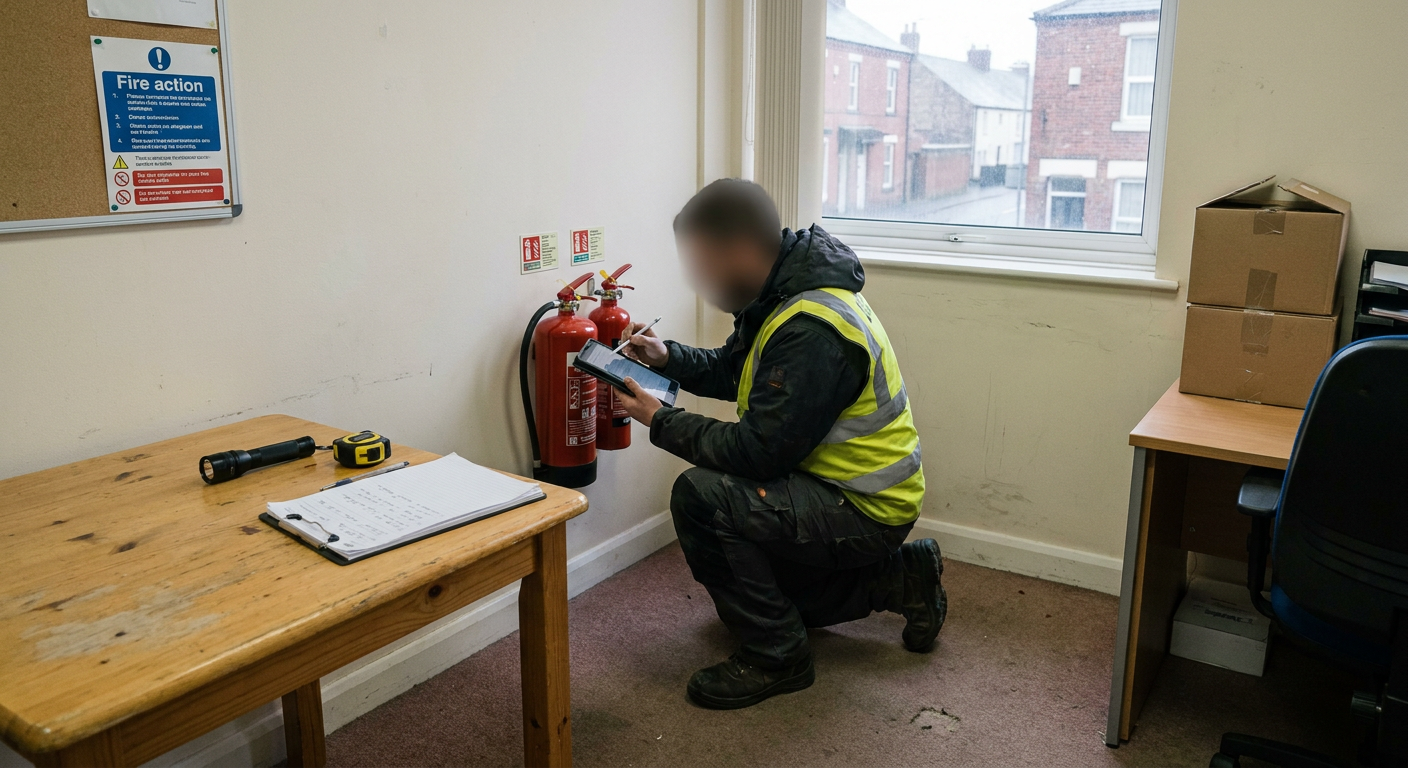
Specialist firms carry out these assessments across Sutton. They examine the layout, the fire doors, the alarm system and the way staff work. The report they produce sets out what needs fixing and how soon. If you manage a home or live in one and worry about what happens in a fire, an enquiry will clarify which parts of the building need attention.
Personal evacuation plans for residents
A general evacuation plan tells everyone to leave by the nearest exit. In a care setting, that instruction does not work for someone who cannot walk down stairs or who becomes confused during an alarm.
Personal emergency evacuation plans exist for this reason. Each resident who needs assistance gets a written plan naming who helps them, which route they take and where they wait once outside. Staff must know these plans by heart, because reading a document during smoke and noise takes time nobody has.
Specialist assessors review these plans as part of the wider fire strategy for the building. They check that the routes named in the plan actually work, that door widths allow a wheelchair through and that refuge points have communication devices so trapped residents can speak to the fire service. Ask about personal evacuation planning if you are unsure whether your home has them in place.
Staff training and warden duties
Training in a care home goes beyond showing staff where the extinguishers hang. Carers need to know how to move a bedbound resident, when to close a fire door behind them and how to stop others from re-entering a smoky corridor.
Fire safety awareness training covers alarm recognition, raising the alert and basic evacuation steps. Fire warden training adds responsibility: checking rooms, counting residents at the assembly point and reporting missing people to the fire crew.
In sheltered flats, wardens often double as scheme managers. Their role includes testing call systems, keeping communal halls free of furniture that blocks exits and making sure visitors do not prop open fire doors. Specialist training firms deliver these sessions on site in Sutton, using the actual building so staff learn the real routes rather than a classroom diagram. Enquire about training if your staff have not practised their roles recently.
Fire doors and compartmentation checks
A fire door holds back smoke and flame long enough for people to escape. In care homes, doors get propped open for trolleys, damaged by beds being wheeled through and fitted with the wrong closers after maintenance work.
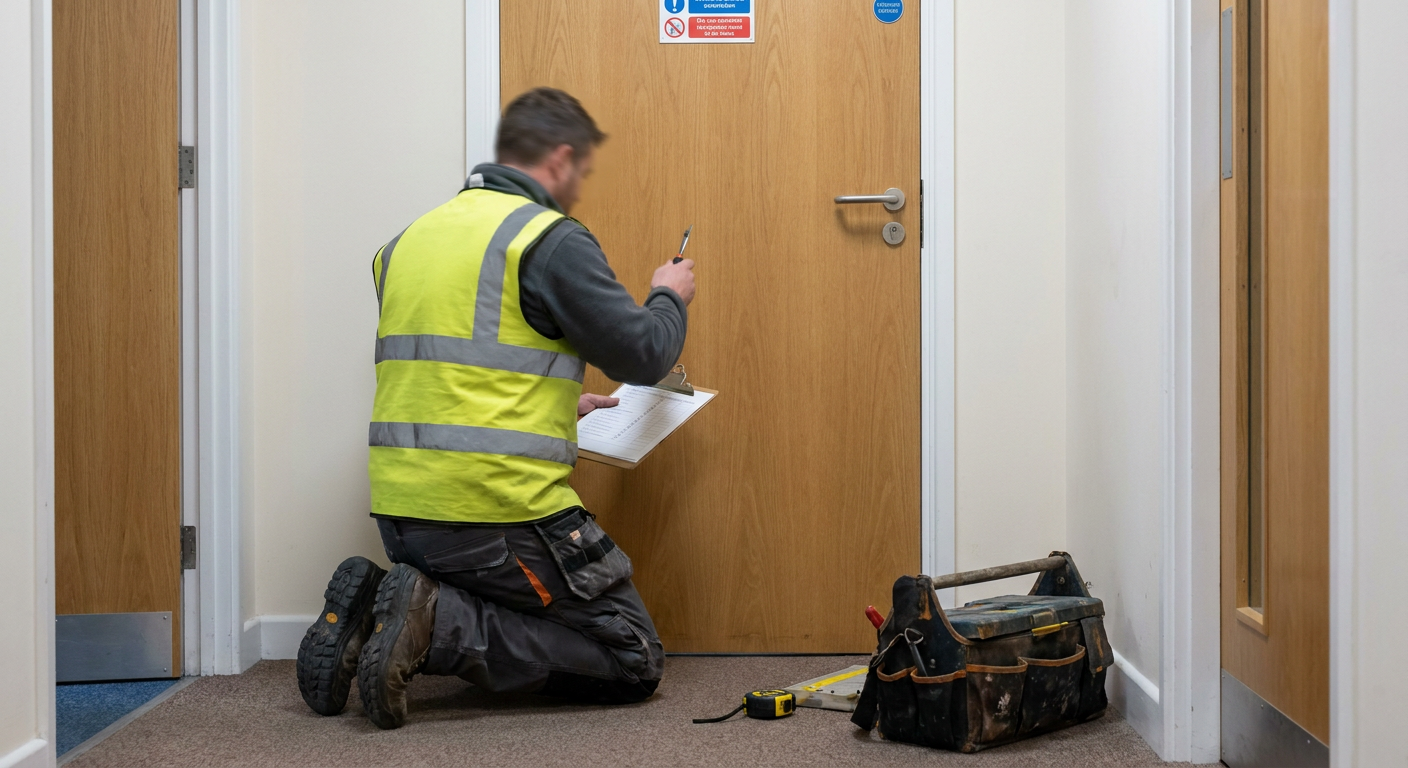
A fire door inspection checks the gap around the frame, the condition of intumescent seals, the hinges and the self-closing device. Every door should shut fully into its frame without sticking. Damaged seals let smoke pass within seconds of a fire starting.
Compartmentation surveys look at the hidden structure: walls above ceilings, gaps around pipes, voids behind cupboards. These barriers divide the building into boxes that contain a fire. If a pipe installer cut through a fire wall and filled the hole with ordinary foam, the box is broken. Specialist surveyors in Sutton open up access panels and trace these lines to confirm the compartments still work. Ask for a door inspection or compartmentation survey if you suspect gaps.
Arranging an assessment for your home
The law requires the responsible person to commission a fire risk assessment and keep it up to date. For care homes and sheltered housing, reviews should happen whenever the building changes, new residents arrive with different needs or after any fire incident, however small.
You can make an enquiry to start this process. Describe the building, the number of residents and any concerns you already have. The specialist firm will explain what type of assessment fits, whether that is a standard visit or a more detailed inspection that enters individual flats.
Once the report is complete, it sits with the responsible person. It names hazards, scores the risk and sets deadlines for action. Nothing obliges you to proceed just by asking questions. But knowing what the building needs lets you plan repairs, schedule training and sleep better at night.
Ask about fire safety for your care home
Send your details and a brief description of the building. A specialist firm will reply with what an assessment involves. You are not committing to any work by enquiring.
- No cost to ask
- No booking required
- Plain advice given