Sutton flats
Electric bike battery charging in Sutton blocks of flats
Send details about your building to find out what a fire risk assessment covers regarding e-bike storage. There is no charge for the initial enquiry and no obligation to book.
E-bike batteries and fire safety in shared hallways
Why lithium batteries change the risk in communal areas
Lithium-ion batteries store a large amount of energy in a small space. When they fail, they do not smoulder. They release flammable gas and heat at once, producing thick toxic smoke within seconds. A battery that catches fire in a hallway can block the only escape route for every flat on that floor.
In Sutton blocks of flats, residents often charge e-bikes near their front doors because plug sockets are scarce inside older homes. The hallway then becomes both a charging point and an escape route. A fire risk assessment records this conflict. The specialist firm carrying out the assessment will note where batteries are charged, how close they sit to exit routes, and whether smoke detection covers the area adequately.
The problem is not the bikes themselves but the conditions around them. Cheap replacement chargers, damaged cells from kerb strikes, and overnight charging without supervision all raise the chance of thermal runaway. Managing directors and landlords responsible for fire safety need to know exactly where these machines are kept.
Where e-bikes should be stored and charged
A dedicated external store removes the hazard from the building entirely. Purpose-built units with separate power feeds and simple fire containment keep a battery failure outside the structure. Where space does not allow an external unit, a ground-floor room with direct access to the outside and solid walls between it and the stairwell is the next option.
Charging inside individual flats carries its own risks, but a fire there affects one household rather than trapping an entire floor. Communal corridors, stairwells and lobbies must remain clear. Storing or charging an e-bike in these spaces violates the basic principle of keeping escape routes free from ignition sources and fuel.
A compartmentation survey identifies gaps in walls and floors that would let smoke travel faster than residents can move. If a building lacks a safe storage option, the fire strategy document should state that clearly so the responsible person can enforce a ban on indoor charging until a suitable facility exists.
What the responsible person must do
Landlords, managing agents and resident management companies all fall under the duties of the responsible person if they control shared parts of a building. That duty includes identifying new hazards as they appear. E-bikes have become common fast enough that older assessments may not mention them at all.
Arranging a review of the fire risk assessment is the first step when residents start storing e-bikes in hallways. The specialist assessor will look at current habits, the layout of the building and the existing detection systems. They will recommend practical changes, which might range from installing external lockers to updating the evacuation plan so residents know not to open their front door into a smoke-filled corridor.
Communication matters as much as physical changes. Residents need to understand why a bike left plugged in overnight by the lift is dangerous. Fire safety awareness training for staff who manage the building helps them spot problems early and explain the rules without confrontation. Written policies give those conversations weight.
How a fire risk assessment addresses e-bikes
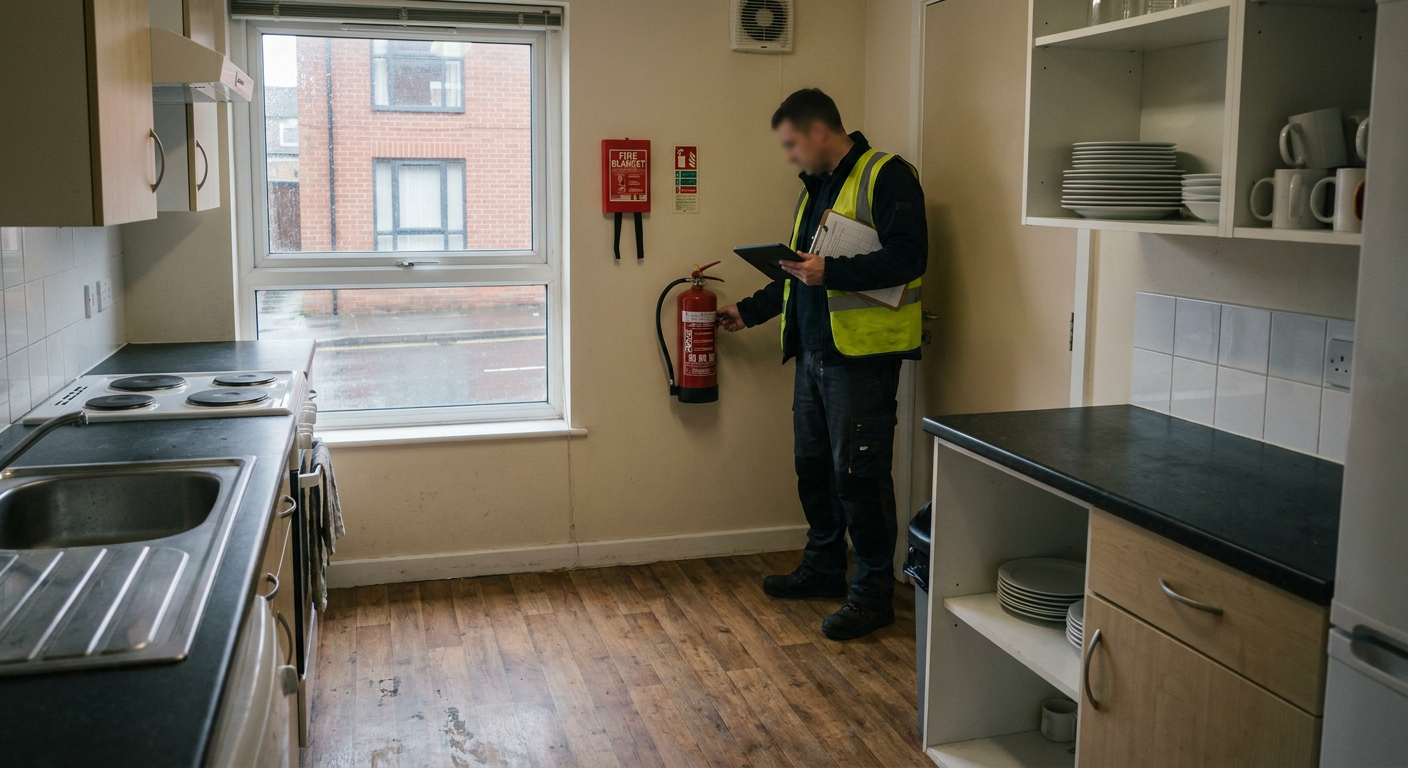
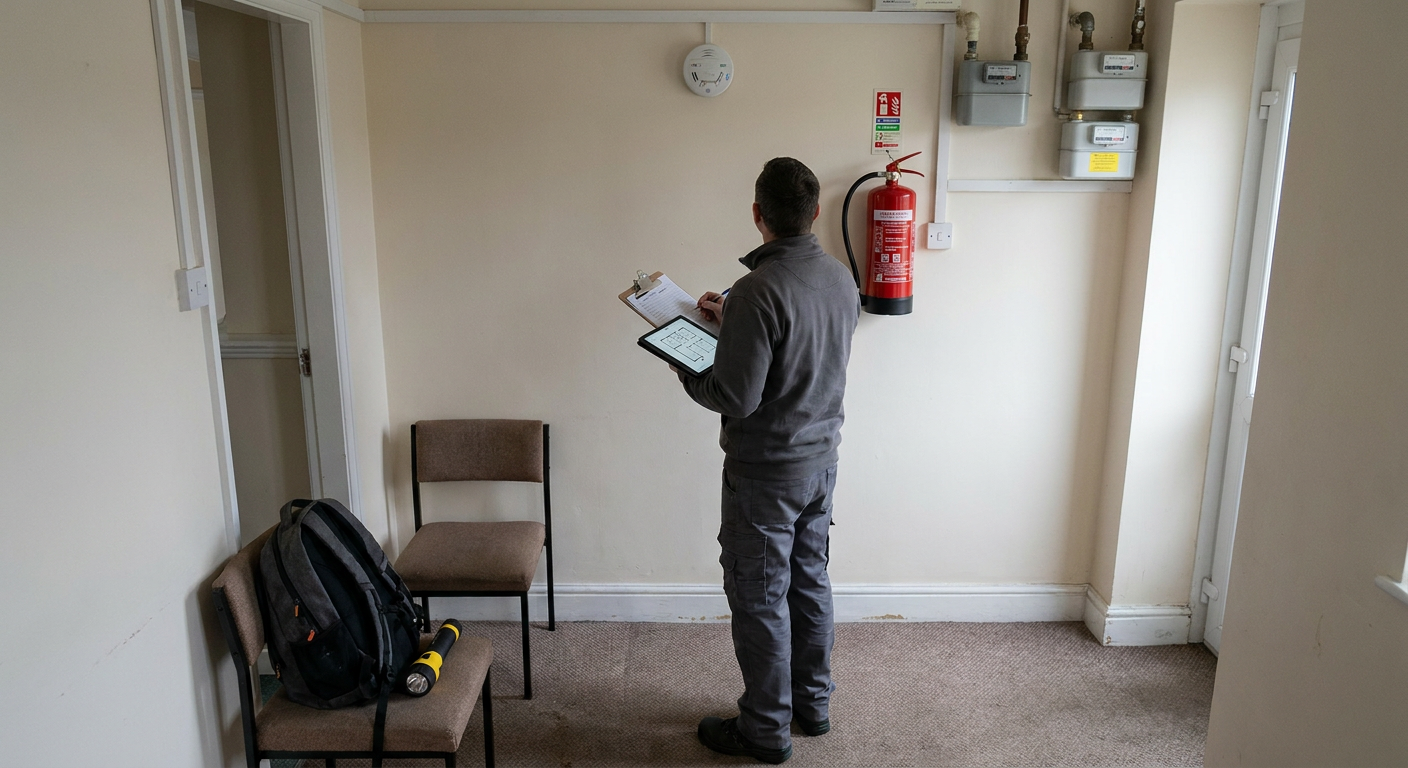
An assessment is a recorded examination of the building, the people in it and the things that could start a fire. When the specialist firm conducts a fire risk assessment in a Sutton block, they walk every corridor, stairwell and plant room. They check doors, signage, alarms and the habits of the occupants.
If e-bikes are present, the report will evaluate the specific risk they add. It considers the type of battery, the charger used, the proximity to combustible materials and the distance to the nearest exit. The findings lead to actions ranked by urgency. Removing a bike blocking a fire door takes priority over planning a new storage area.
Review dates matter here. A building that was safe two years ago may now have a dozen e-bikes in its lobby. Regular reviews catch this drift before an incident forces the issue. Enforcement letters from the council follow failures to act on known risks, so keeping the assessment current protects both residents and the person legally accountable for their safety.
Ask about e-bike risks in your building
Send the details of your block to receive advice on what an assessment covers. There is no fee for this enquiry and no commitment to proceed further.
- No cost to ask
- Local specialist firms
- Clear written advice